
King 777 APK Download Guide: Android Installation & Safety Checks
A detailed King 777 APK guide covering source verification, Android permissions, installation checks, updates, removal, and safer account setup.
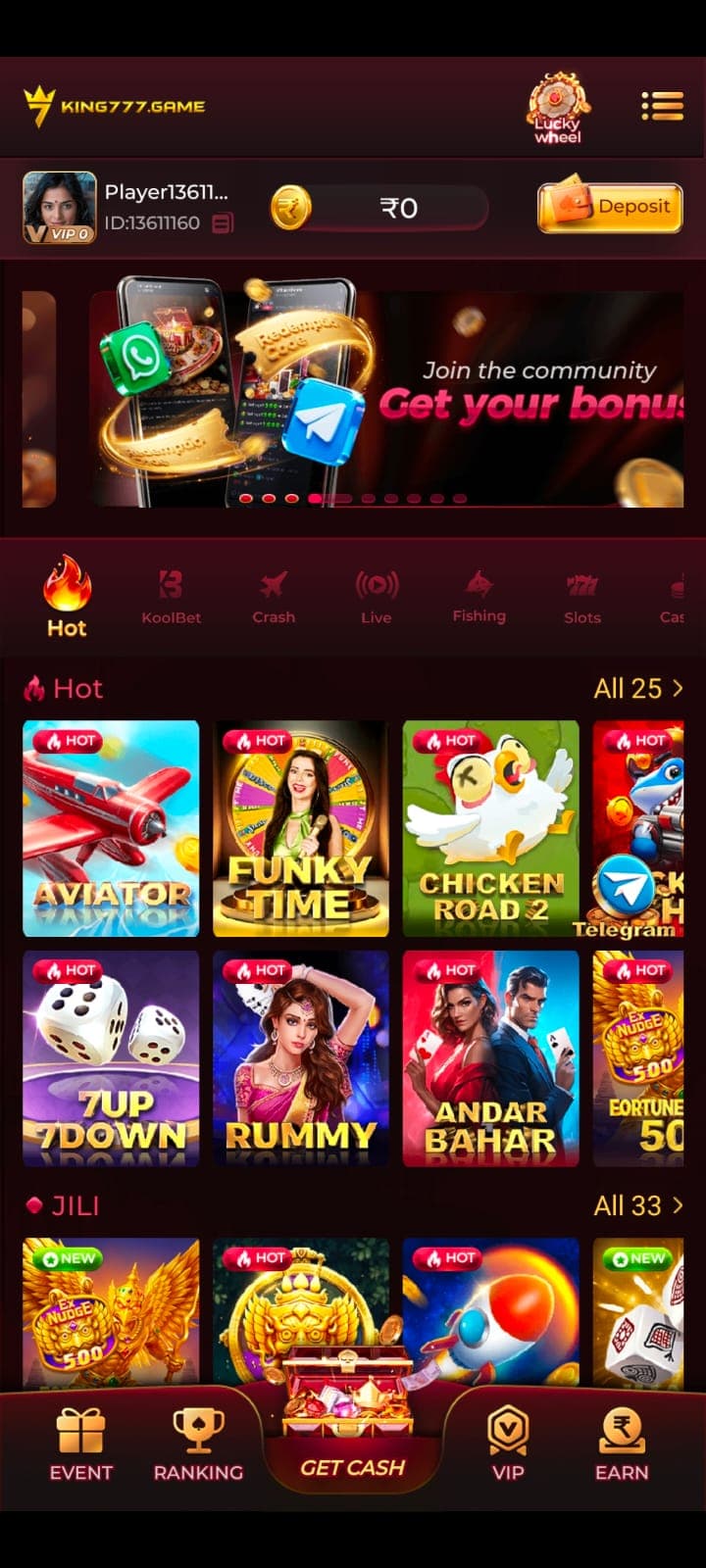
What is a King 777 APK?
An APK is the installation package Android uses for an application distributed outside or alongside an app store. That short answer is the useful starting point, but it should not be treated as a promise about a particular operator, app build, promotion, or payment. King 777 is used across a crowded search landscape, so readers should distinguish what is visible in the interface from what has been independently verified. This guide describes the observable user journey and applies a repeatable review method. It does not invent licensing, payout, security, popularity, or “official” status where primary evidence is unavailable.
A filename containing King 777 does not establish who created it, whether it is current, or whether it is safe. In practical terms, the safest approach is to slow the decision down. Record the exact domain, publisher name, version, screen wording, date, and action you are considering. A screenshot is useful evidence of what was displayed, but it is not proof that every claim is true or that the same terms will apply tomorrow. Promotional amounts, game availability, eligibility, processing times, and legal classifications may change. Treat each of those as a fact to re-check at the moment it matters.
Before downloading, capture the page URL and compare the stated publisher, version, size, and update date with another primary operator surface. Work in a fixed order: identify the source; compare the source with the information shown inside the product; read the relevant policy; inspect any cost or permission; and decide only after the details agree. If two screens conflict, do not choose the more attractive statement automatically. Save the terms, ask support for a written clarification when possible, and avoid depositing or sharing sensitive information until the inconsistency is resolved. This process is slower than tapping a bright call-to-action, but it produces a decision you can explain and revisit.
The most useful technical evidence is a publisher-controlled release record and, ideally, a checksum for the exact file. Strong evidence is specific, dated, and attributable. Examples include a current policy page, an app-store publisher record, a cryptographic checksum published by the same operator, a transaction reference, or a regulator's primary document. Weak evidence includes anonymous comments, rotating counters, star ratings without a review source, copied badges, urgency labels, and claims such as “guaranteed” or “100% safe.” Several weak signals do not become strong merely because they are repeated.
Sideloaded packages can request broad permissions or imitate a familiar interface while behaving differently in the background. Use a stop rule before continuing. Stop if the product requests an OTP outside the normal login flow, asks for screen-sharing or accessibility control, changes payment recipients unexpectedly, hides material terms, pressures you to act immediately, or makes withdrawal conditional on repeated deposits. Real-money play also carries an unavoidable loss risk. A sensible entertainment limit is decided before play, is affordable to lose in full, and is never increased to recover a previous result.
Download only when the publisher and source can be independently reconciled and the need to sideload is clear. The practical takeaway is to favour verifiable details over promotional confidence. Write down what you know, what you only infer, and what remains unknown. Continue only when the unknowns are acceptable and the source, permissions, rules, and financial terms are clear. Readers who need a definitive legal interpretation or help with a disputed payment should use the relevant regulator, qualified adviser, bank, or official cybercrime channel rather than relying on a marketing page or general guide.
How to verify the download source
Source verification means proving that the domain and download path belong to the entity you intend to trust. That short answer is the useful starting point, but it should not be treated as a promise about a particular operator, app build, promotion, or payment. King 777 is used across a crowded search landscape, so readers should distinguish what is visible in the interface from what has been independently verified. This guide describes the observable user journey and applies a repeatable review method. It does not invent licensing, payout, security, popularity, or “official” status where primary evidence is unavailable.
Lookalike domains can differ by a hyphen, a digit, a top-level domain, or a redirected subdomain. In practical terms, the safest approach is to slow the decision down. Record the exact domain, publisher name, version, screen wording, date, and action you are considering. A screenshot is useful evidence of what was displayed, but it is not proof that every claim is true or that the same terms will apply tomorrow. Promotional amounts, game availability, eligibility, processing times, and legal classifications may change. Treat each of those as a fact to re-check at the moment it matters.
Type the known address yourself, inspect HTTPS details, avoid message attachments, and compare contact and policy details across the site. Work in a fixed order: identify the source; compare the source with the information shown inside the product; read the relevant policy; inspect any cost or permission; and decide only after the details agree. If two screens conflict, do not choose the more attractive statement automatically. Save the terms, ask support for a written clarification when possible, and avoid depositing or sharing sensitive information until the inconsistency is resolved. This process is slower than tapping a bright call-to-action, but it produces a decision you can explain and revisit.
Consistent ownership details, stable policy URLs, signed store listings, and dated release notes carry more weight than a logo or green badge. Strong evidence is specific, dated, and attributable. Examples include a current policy page, an app-store publisher record, a cryptographic checksum published by the same operator, a transaction reference, or a regulator's primary document. Weak evidence includes anonymous comments, rotating counters, star ratings without a review source, copied badges, urgency labels, and claims such as “guaranteed” or “100% safe.” Several weak signals do not become strong merely because they are repeated.
Search ads, social messages, and shortened links can place an imitation above or ahead of an authentic source. Use a stop rule before continuing. Stop if the product requests an OTP outside the normal login flow, asks for screen-sharing or accessibility control, changes payment recipients unexpectedly, hides material terms, pressures you to act immediately, or makes withdrawal conditional on repeated deposits. Real-money play also carries an unavoidable loss risk. A sensible entertainment limit is decided before play, is affordable to lose in full, and is never increased to recover a previous result.
If ownership is unclear, do not treat search position or visual similarity as verification. The practical takeaway is to favour verifiable details over promotional confidence. Write down what you know, what you only infer, and what remains unknown. Continue only when the unknowns are acceptable and the source, permissions, rules, and financial terms are clear. Readers who need a definitive legal interpretation or help with a disputed payment should use the relevant regulator, qualified adviser, bank, or official cybercrime channel rather than relying on a marketing page or general guide.
Check the APK file before installation
A safe review starts before opening the file and continues through the Android permission screen. That short answer is the useful starting point, but it should not be treated as a promise about a particular operator, app build, promotion, or payment. King 777 is used across a crowded search landscape, so readers should distinguish what is visible in the interface from what has been independently verified. This guide describes the observable user journey and applies a repeatable review method. It does not invent licensing, payout, security, popularity, or “official” status where primary evidence is unavailable.
The extension should be .apk, not an image, archive, document, or double-extension file designed to confuse. In practical terms, the safest approach is to slow the decision down. Record the exact domain, publisher name, version, screen wording, date, and action you are considering. A screenshot is useful evidence of what was displayed, but it is not proof that every claim is true or that the same terms will apply tomorrow. Promotional amounts, game availability, eligibility, processing times, and legal classifications may change. Treat each of those as a fact to re-check at the moment it matters.
Compare size and version, scan with a trusted security tool, inspect the package details, and remove duplicate downloads. Work in a fixed order: identify the source; compare the source with the information shown inside the product; read the relevant policy; inspect any cost or permission; and decide only after the details agree. If two screens conflict, do not choose the more attractive statement automatically. Save the terms, ask support for a written clarification when possible, and avoid depositing or sharing sensitive information until the inconsistency is resolved. This process is slower than tapping a bright call-to-action, but it produces a decision you can explain and revisit.
A matching checksum is stronger than a matching filename because it identifies the exact file contents. Strong evidence is specific, dated, and attributable. Examples include a current policy page, an app-store publisher record, a cryptographic checksum published by the same operator, a transaction reference, or a regulator's primary document. Weak evidence includes anonymous comments, rotating counters, star ratings without a review source, copied badges, urgency labels, and claims such as “guaranteed” or “100% safe.” Several weak signals do not become strong merely because they are repeated.
A package may use the expected name and icon while containing modified code or an unrelated application identifier. Use a stop rule before continuing. Stop if the product requests an OTP outside the normal login flow, asks for screen-sharing or accessibility control, changes payment recipients unexpectedly, hides material terms, pressures you to act immediately, or makes withdrawal conditional on repeated deposits. Real-money play also carries an unavoidable loss risk. A sensible entertainment limit is decided before play, is affordable to lose in full, and is never increased to recover a previous result.
Any mismatch in type, signature, checksum, or publisher should end the installation attempt. The practical takeaway is to favour verifiable details over promotional confidence. Write down what you know, what you only infer, and what remains unknown. Continue only when the unknowns are acceptable and the source, permissions, rules, and financial terms are clear. Readers who need a definitive legal interpretation or help with a disputed payment should use the relevant regulator, qualified adviser, bank, or official cybercrime channel rather than relying on a marketing page or general guide.
Review Android permissions carefully
Permissions should be proportionate to the feature the app is performing at that moment. That short answer is the useful starting point, but it should not be treated as a promise about a particular operator, app build, promotion, or payment. King 777 is used across a crowded search landscape, so readers should distinguish what is visible in the interface from what has been independently verified. This guide describes the observable user journey and applies a repeatable review method. It does not invent licensing, payout, security, popularity, or “official” status where primary evidence is unavailable.
A gaming app may need network access, but accessibility control, SMS reading, contact access, or device administration deserves strict scrutiny. In practical terms, the safest approach is to slow the decision down. Record the exact domain, publisher name, version, screen wording, date, and action you are considering. A screenshot is useful evidence of what was displayed, but it is not proof that every claim is true or that the same terms will apply tomorrow. Promotional amounts, game availability, eligibility, processing times, and legal classifications may change. Treat each of those as a fact to re-check at the moment it matters.
Read each request, deny optional access, open Android's app-permission screen, and check battery and data activity after installation. Work in a fixed order: identify the source; compare the source with the information shown inside the product; read the relevant policy; inspect any cost or permission; and decide only after the details agree. If two screens conflict, do not choose the more attractive statement automatically. Save the terms, ask support for a written clarification when possible, and avoid depositing or sharing sensitive information until the inconsistency is resolved. This process is slower than tapping a bright call-to-action, but it produces a decision you can explain and revisit.
Permission names and usage indicators are observable device facts; a promotional statement is not a substitute for them. Strong evidence is specific, dated, and attributable. Examples include a current policy page, an app-store publisher record, a cryptographic checksum published by the same operator, a transaction reference, or a regulator's primary document. Weak evidence includes anonymous comments, rotating counters, star ratings without a review source, copied badges, urgency labels, and claims such as “guaranteed” or “100% safe.” Several weak signals do not become strong merely because they are repeated.
Accessibility, notification, and screen-capture permissions can expose authentication or payment information when abused. Use a stop rule before continuing. Stop if the product requests an OTP outside the normal login flow, asks for screen-sharing or accessibility control, changes payment recipients unexpectedly, hides material terms, pressures you to act immediately, or makes withdrawal conditional on repeated deposits. Real-money play also carries an unavoidable loss risk. A sensible entertainment limit is decided before play, is affordable to lose in full, and is never increased to recover a previous result.
Uninstall an app that refuses to function unless you grant an unrelated high-risk permission. The practical takeaway is to favour verifiable details over promotional confidence. Write down what you know, what you only infer, and what remains unknown. Continue only when the unknowns are acceptable and the source, permissions, rules, and financial terms are clear. Readers who need a definitive legal interpretation or help with a disputed payment should use the relevant regulator, qualified adviser, bank, or official cybercrime channel rather than relying on a marketing page or general guide.
Install, update, and remove the app safely
Installation is only one stage; update and removal paths matter because packages can change after first use. That short answer is the useful starting point, but it should not be treated as a promise about a particular operator, app build, promotion, or payment. King 777 is used across a crowded search landscape, so readers should distinguish what is visible in the interface from what has been independently verified. This guide describes the observable user journey and applies a repeatable review method. It does not invent licensing, payout, security, popularity, or “official” status where primary evidence is unavailable.
Automatic in-app updates may bypass the source checks you performed on the original file. In practical terms, the safest approach is to slow the decision down. Record the exact domain, publisher name, version, screen wording, date, and action you are considering. A screenshot is useful evidence of what was displayed, but it is not proof that every claim is true or that the same terms will apply tomorrow. Promotional amounts, game availability, eligibility, processing times, and legal classifications may change. Treat each of those as a fact to re-check at the moment it matters.
Keep Android current, disable unknown-source permission after installation, verify update prompts, and know how to clear data and uninstall. Work in a fixed order: identify the source; compare the source with the information shown inside the product; read the relevant policy; inspect any cost or permission; and decide only after the details agree. If two screens conflict, do not choose the more attractive statement automatically. Save the terms, ask support for a written clarification when possible, and avoid depositing or sharing sensitive information until the inconsistency is resolved. This process is slower than tapping a bright call-to-action, but it produces a decision you can explain and revisit.
A stable release history and transparent change log help explain why a new build is required. Strong evidence is specific, dated, and attributable. Examples include a current policy page, an app-store publisher record, a cryptographic checksum published by the same operator, a transaction reference, or a regulator's primary document. Weak evidence includes anonymous comments, rotating counters, star ratings without a review source, copied badges, urgency labels, and claims such as “guaranteed” or “100% safe.” Several weak signals do not become strong merely because they are repeated.
Urgent update screens can be used to move users to a different domain or request new permissions without adequate explanation. Use a stop rule before continuing. Stop if the product requests an OTP outside the normal login flow, asks for screen-sharing or accessibility control, changes payment recipients unexpectedly, hides material terms, pressures you to act immediately, or makes withdrawal conditional on repeated deposits. Real-money play also carries an unavoidable loss risk. A sensible entertainment limit is decided before play, is affordable to lose in full, and is never increased to recover a previous result.
Reapply the same source and file checks to every update rather than trusting continuity automatically. The practical takeaway is to favour verifiable details over promotional confidence. Write down what you know, what you only infer, and what remains unknown. Continue only when the unknowns are acceptable and the source, permissions, rules, and financial terms are clear. Readers who need a definitive legal interpretation or help with a disputed payment should use the relevant regulator, qualified adviser, bank, or official cybercrime channel rather than relying on a marketing page or general guide.
Create an account without exposing sensitive data
Account setup should collect only data that is necessary, explained, and protected by a readable privacy policy. That short answer is the useful starting point, but it should not be treated as a promise about a particular operator, app build, promotion, or payment. King 777 is used across a crowded search landscape, so readers should distinguish what is visible in the interface from what has been independently verified. This guide describes the observable user journey and applies a repeatable review method. It does not invent licensing, payout, security, popularity, or “official” status where primary evidence is unavailable.
An OTP authenticates a login; support should not ask you to forward it, share your screen, or reveal a UPI PIN. In practical terms, the safest approach is to slow the decision down. Record the exact domain, publisher name, version, screen wording, date, and action you are considering. A screenshot is useful evidence of what was displayed, but it is not proof that every claim is true or that the same terms will apply tomorrow. Promotional amounts, game availability, eligibility, processing times, and legal classifications may change. Treat each of those as a fact to re-check at the moment it matters.
Use a unique password, enable available security controls, verify recovery details, and read deposit and withdrawal rules before payment. Work in a fixed order: identify the source; compare the source with the information shown inside the product; read the relevant policy; inspect any cost or permission; and decide only after the details agree. If two screens conflict, do not choose the more attractive statement automatically. Save the terms, ask support for a written clarification when possible, and avoid depositing or sharing sensitive information until the inconsistency is resolved. This process is slower than tapping a bright call-to-action, but it produces a decision you can explain and revisit.
A dated privacy notice, grievance contact, and visible account controls are more meaningful than generic security language. Strong evidence is specific, dated, and attributable. Examples include a current policy page, an app-store publisher record, a cryptographic checksum published by the same operator, a transaction reference, or a regulator's primary document. Weak evidence includes anonymous comments, rotating counters, star ratings without a review source, copied badges, urgency labels, and claims such as “guaranteed” or “100% safe.” Several weak signals do not become strong merely because they are repeated.
Credential reuse, remote-access requests, and off-platform support conversations create avoidable account-takeover risk. Use a stop rule before continuing. Stop if the product requests an OTP outside the normal login flow, asks for screen-sharing or accessibility control, changes payment recipients unexpectedly, hides material terms, pressures you to act immediately, or makes withdrawal conditional on repeated deposits. Real-money play also carries an unavoidable loss risk. A sensible entertainment limit is decided before play, is affordable to lose in full, and is never increased to recover a previous result.
Pause registration if the service cannot explain why sensitive information is required or how it can be deleted. The practical takeaway is to favour verifiable details over promotional confidence. Write down what you know, what you only infer, and what remains unknown. Continue only when the unknowns are acceptable and the source, permissions, rules, and financial terms are clear. Readers who need a definitive legal interpretation or help with a disputed payment should use the relevant regulator, qualified adviser, bank, or official cybercrime channel rather than relying on a marketing page or general guide.
Troubleshooting failed installation or suspicious behaviour
A failed install is usually a signal to diagnose, not a reason to disable more security controls indiscriminately. That short answer is the useful starting point, but it should not be treated as a promise about a particular operator, app build, promotion, or payment. King 777 is used across a crowded search landscape, so readers should distinguish what is visible in the interface from what has been independently verified. This guide describes the observable user journey and applies a repeatable review method. It does not invent licensing, payout, security, popularity, or “official” status where primary evidence is unavailable.
Common causes include insufficient storage, an incompatible Android version, a conflicting package signature, or a corrupted download. In practical terms, the safest approach is to slow the decision down. Record the exact domain, publisher name, version, screen wording, date, and action you are considering. A screenshot is useful evidence of what was displayed, but it is not proof that every claim is true or that the same terms will apply tomorrow. Promotional amounts, game availability, eligibility, processing times, and legal classifications may change. Treat each of those as a fact to re-check at the moment it matters.
Delete the file, restart, confirm compatibility, download once from the verified source, and review the exact Android error. Work in a fixed order: identify the source; compare the source with the information shown inside the product; read the relevant policy; inspect any cost or permission; and decide only after the details agree. If two screens conflict, do not choose the more attractive statement automatically. Save the terms, ask support for a written clarification when possible, and avoid depositing or sharing sensitive information until the inconsistency is resolved. This process is slower than tapping a bright call-to-action, but it produces a decision you can explain and revisit.
The operating-system message and package details provide better diagnostic evidence than a generic social-media fix. Strong evidence is specific, dated, and attributable. Examples include a current policy page, an app-store publisher record, a cryptographic checksum published by the same operator, a transaction reference, or a regulator's primary document. Weak evidence includes anonymous comments, rotating counters, star ratings without a review source, copied badges, urgency labels, and claims such as “guaranteed” or “100% safe.” Several weak signals do not become strong merely because they are repeated.
If the device overheats, displays overlays, sends messages, or shows unexpected financial activity, disconnect connectivity and seek security help. Use a stop rule before continuing. Stop if the product requests an OTP outside the normal login flow, asks for screen-sharing or accessibility control, changes payment recipients unexpectedly, hides material terms, pressures you to act immediately, or makes withdrawal conditional on repeated deposits. Real-money play also carries an unavoidable loss risk. A sensible entertainment limit is decided before play, is affordable to lose in full, and is never increased to recover a previous result.
For suspected fraud, preserve screenshots and transaction references and use official bank or cybercrime reporting channels promptly. The practical takeaway is to favour verifiable details over promotional confidence. Write down what you know, what you only infer, and what remains unknown. Continue only when the unknowns are acceptable and the source, permissions, rules, and financial terms are clear. Readers who need a definitive legal interpretation or help with a disputed payment should use the relevant regulator, qualified adviser, bank, or official cybercrime channel rather than relying on a marketing page or general guide.
Sources, scope, and editorial note
This article separates visible interface details from claims requiring independent evidence. Laws, platform terms, software versions, and offers can change. Check the current primary source before making a legal, security, or financial decision.