
King 777 Games Guide: Categories, Rules, Odds & Beginner Basics
A beginner-friendly explanation of King 777 game categories, random outcomes, house edge, bankroll limits, demos, and responsible decision-making.
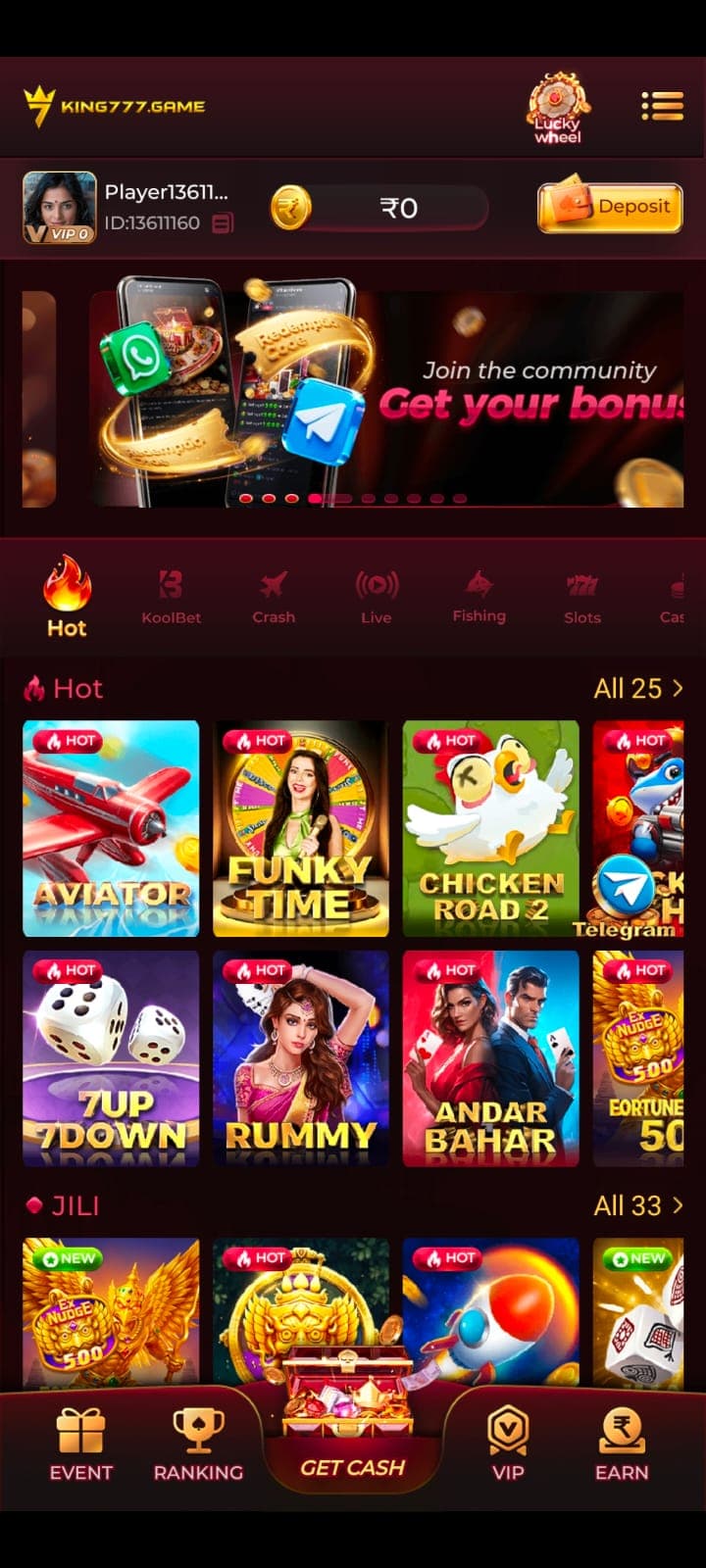
What games appear in a King 777 lobby?
A King 777 lobby may group crash, card, dice, slot, and live-style games under one interface. That short answer is the useful starting point, but it should not be treated as a promise about a particular operator, app build, promotion, or payment. King 777 is used across a crowded search landscape, so readers should distinguish what is visible in the interface from what has been independently verified. This guide describes the observable user journey and applies a repeatable review method. It does not invent licensing, payout, security, popularity, or “official” status where primary evidence is unavailable.
A lobby name does not mean every title uses the same provider, rules, return model, or eligibility criteria. In practical terms, the safest approach is to slow the decision down. Record the exact domain, publisher name, version, screen wording, date, and action you are considering. A screenshot is useful evidence of what was displayed, but it is not proof that every claim is true or that the same terms will apply tomorrow. Promotional amounts, game availability, eligibility, processing times, and legal classifications may change. Treat each of those as a fact to re-check at the moment it matters.
Open the information panel for each title and record the provider, rules, bet range, settlement method, and demo availability. Work in a fixed order: identify the source; compare the source with the information shown inside the product; read the relevant policy; inspect any cost or permission; and decide only after the details agree. If two screens conflict, do not choose the more attractive statement automatically. Save the terms, ask support for a written clarification when possible, and avoid depositing or sharing sensitive information until the inconsistency is resolved. This process is slower than tapping a bright call-to-action, but it produces a decision you can explain and revisit.
A provider rule sheet and in-game paytable are more useful than a thumbnail or popularity badge. Strong evidence is specific, dated, and attributable. Examples include a current policy page, an app-store publisher record, a cryptographic checksum published by the same operator, a transaction reference, or a regulator's primary document. Weak evidence includes anonymous comments, rotating counters, star ratings without a review source, copied badges, urgency labels, and claims such as “guaranteed” or “100% safe.” Several weak signals do not become strong merely because they are repeated.
Fast switching between categories can hide how much has been staked across a session. Use a stop rule before continuing. Stop if the product requests an OTP outside the normal login flow, asks for screen-sharing or accessibility control, changes payment recipients unexpectedly, hides material terms, pressures you to act immediately, or makes withdrawal conditional on repeated deposits. Real-money play also carries an unavoidable loss risk. A sensible entertainment limit is decided before play, is affordable to lose in full, and is never increased to recover a previous result.
Choose a game only after you can explain the rules and maximum loss of one round. The practical takeaway is to favour verifiable details over promotional confidence. Write down what you know, what you only infer, and what remains unknown. Continue only when the unknowns are acceptable and the source, permissions, rules, and financial terms are clear. Readers who need a definitive legal interpretation or help with a disputed payment should use the relevant regulator, qualified adviser, bank, or official cybercrime channel rather than relying on a marketing page or general guide.
Random outcomes, RTP, and house edge
Random games are designed so previous rounds do not reliably predict the next one. That short answer is the useful starting point, but it should not be treated as a promise about a particular operator, app build, promotion, or payment. King 777 is used across a crowded search landscape, so readers should distinguish what is visible in the interface from what has been independently verified. This guide describes the observable user journey and applies a repeatable review method. It does not invent licensing, payout, security, popularity, or “official” status where primary evidence is unavailable.
RTP is a long-run theoretical percentage, not a promise that one player or session will receive that amount. In practical terms, the safest approach is to slow the decision down. Record the exact domain, publisher name, version, screen wording, date, and action you are considering. A screenshot is useful evidence of what was displayed, but it is not proof that every claim is true or that the same terms will apply tomorrow. Promotional amounts, game availability, eligibility, processing times, and legal classifications may change. Treat each of those as a fact to re-check at the moment it matters.
Locate the rules or paytable, distinguish probability from payout, and calculate the maximum stake before play. Work in a fixed order: identify the source; compare the source with the information shown inside the product; read the relevant policy; inspect any cost or permission; and decide only after the details agree. If two screens conflict, do not choose the more attractive statement automatically. Save the terms, ask support for a written clarification when possible, and avoid depositing or sharing sensitive information until the inconsistency is resolved. This process is slower than tapping a bright call-to-action, but it produces a decision you can explain and revisit.
Published mathematics from an attributable provider is stronger than a recent-results chart or influencer strategy. Strong evidence is specific, dated, and attributable. Examples include a current policy page, an app-store publisher record, a cryptographic checksum published by the same operator, a transaction reference, or a regulator's primary document. Weak evidence includes anonymous comments, rotating counters, star ratings without a review source, copied badges, urgency labels, and claims such as “guaranteed” or “100% safe.” Several weak signals do not become strong merely because they are repeated.
Short streaks can look meaningful even when they are compatible with ordinary randomness. Use a stop rule before continuing. Stop if the product requests an OTP outside the normal login flow, asks for screen-sharing or accessibility control, changes payment recipients unexpectedly, hides material terms, pressures you to act immediately, or makes withdrawal conditional on repeated deposits. Real-money play also carries an unavoidable loss risk. A sensible entertainment limit is decided before play, is affordable to lose in full, and is never increased to recover a previous result.
Do not increase stakes because a result feels due or because a sequence looks unusually lucky. The practical takeaway is to favour verifiable details over promotional confidence. Write down what you know, what you only infer, and what remains unknown. Continue only when the unknowns are acceptable and the source, permissions, rules, and financial terms are clear. Readers who need a definitive legal interpretation or help with a disputed payment should use the relevant regulator, qualified adviser, bank, or official cybercrime channel rather than relying on a marketing page or general guide.
How crash-style games work
A crash game displays a rising multiplier that can end before the player cashes out. That short answer is the useful starting point, but it should not be treated as a promise about a particular operator, app build, promotion, or payment. King 777 is used across a crowded search landscape, so readers should distinguish what is visible in the interface from what has been independently verified. This guide describes the observable user journey and applies a repeatable review method. It does not invent licensing, payout, security, popularity, or “official” status where primary evidence is unavailable.
An earlier cashout may reduce volatility but cannot remove the underlying negative expectation where a house edge applies. In practical terms, the safest approach is to slow the decision down. Record the exact domain, publisher name, version, screen wording, date, and action you are considering. A screenshot is useful evidence of what was displayed, but it is not proof that every claim is true or that the same terms will apply tomorrow. Promotional amounts, game availability, eligibility, processing times, and legal classifications may change. Treat each of those as a fact to re-check at the moment it matters.
Read how the round is generated, when bets close, how auto-cashout behaves, and what happens during a connection failure. Work in a fixed order: identify the source; compare the source with the information shown inside the product; read the relevant policy; inspect any cost or permission; and decide only after the details agree. If two screens conflict, do not choose the more attractive statement automatically. Save the terms, ask support for a written clarification when possible, and avoid depositing or sharing sensitive information until the inconsistency is resolved. This process is slower than tapping a bright call-to-action, but it produces a decision you can explain and revisit.
The game rules and settled transaction history are relevant; a visual history of multipliers is not a prediction tool. Strong evidence is specific, dated, and attributable. Examples include a current policy page, an app-store publisher record, a cryptographic checksum published by the same operator, a transaction reference, or a regulator's primary document. Weak evidence includes anonymous comments, rotating counters, star ratings without a review source, copied badges, urgency labels, and claims such as “guaranteed” or “100% safe.” Several weak signals do not become strong merely because they are repeated.
Rapid rounds and near-miss feelings can encourage impulsive stake increases. Use a stop rule before continuing. Stop if the product requests an OTP outside the normal login flow, asks for screen-sharing or accessibility control, changes payment recipients unexpectedly, hides material terms, pressures you to act immediately, or makes withdrawal conditional on repeated deposits. Real-money play also carries an unavoidable loss risk. A sensible entertainment limit is decided before play, is affordable to lose in full, and is never increased to recover a previous result.
Use a predetermined time and loss limit rather than a target based on recovering earlier rounds. The practical takeaway is to favour verifiable details over promotional confidence. Write down what you know, what you only infer, and what remains unknown. Continue only when the unknowns are acceptable and the source, permissions, rules, and financial terms are clear. Readers who need a definitive legal interpretation or help with a disputed payment should use the relevant regulator, qualified adviser, bank, or official cybercrime channel rather than relying on a marketing page or general guide.
Rummy, Teen Patti, and card-game basics
Card games can combine decision-making, incomplete information, fees, and chance in different proportions. That short answer is the useful starting point, but it should not be treated as a promise about a particular operator, app build, promotion, or payment. King 777 is used across a crowded search landscape, so readers should distinguish what is visible in the interface from what has been independently verified. This guide describes the observable user journey and applies a repeatable review method. It does not invent licensing, payout, security, popularity, or “official” status where primary evidence is unavailable.
The word skill does not mean a player can avoid losses, and formats may be regulated differently. In practical terms, the safest approach is to slow the decision down. Record the exact domain, publisher name, version, screen wording, date, and action you are considering. A screenshot is useful evidence of what was displayed, but it is not proof that every claim is true or that the same terms will apply tomorrow. Promotional amounts, game availability, eligibility, processing times, and legal classifications may change. Treat each of those as a fact to re-check at the moment it matters.
Learn hand rankings, turn order, scoring, entry fees, table limits, and exit rules in a free or low-risk setting first. Work in a fixed order: identify the source; compare the source with the information shown inside the product; read the relevant policy; inspect any cost or permission; and decide only after the details agree. If two screens conflict, do not choose the more attractive statement automatically. Save the terms, ask support for a written clarification when possible, and avoid depositing or sharing sensitive information until the inconsistency is resolved. This process is slower than tapping a bright call-to-action, but it produces a decision you can explain and revisit.
A complete rulebook and transparent fee schedule help compare formats accurately. Strong evidence is specific, dated, and attributable. Examples include a current policy page, an app-store publisher record, a cryptographic checksum published by the same operator, a transaction reference, or a regulator's primary document. Weak evidence includes anonymous comments, rotating counters, star ratings without a review source, copied badges, urgency labels, and claims such as “guaranteed” or “100% safe.” Several weak signals do not become strong merely because they are repeated.
Playing multiple tables or unfamiliar variants increases error and makes spending harder to track. Use a stop rule before continuing. Stop if the product requests an OTP outside the normal login flow, asks for screen-sharing or accessibility control, changes payment recipients unexpectedly, hides material terms, pressures you to act immediately, or makes withdrawal conditional on repeated deposits. Real-money play also carries an unavoidable loss risk. A sensible entertainment limit is decided before play, is affordable to lose in full, and is never increased to recover a previous result.
Do not enter paid play until you understand both the objective and every way a hand can lose. The practical takeaway is to favour verifiable details over promotional confidence. Write down what you know, what you only infer, and what remains unknown. Continue only when the unknowns are acceptable and the source, permissions, rules, and financial terms are clear. Readers who need a definitive legal interpretation or help with a disputed payment should use the relevant regulator, qualified adviser, bank, or official cybercrime channel rather than relying on a marketing page or general guide.
Slots, dice, and instant-result games
These games usually resolve quickly and depend primarily on predefined probability and payout tables. That short answer is the useful starting point, but it should not be treated as a promise about a particular operator, app build, promotion, or payment. King 777 is used across a crowded search landscape, so readers should distinguish what is visible in the interface from what has been independently verified. This guide describes the observable user journey and applies a repeatable review method. It does not invent licensing, payout, security, popularity, or “official” status where primary evidence is unavailable.
High maximum multipliers are attention-grabbing but usually correspond to rare outcomes. In practical terms, the safest approach is to slow the decision down. Record the exact domain, publisher name, version, screen wording, date, and action you are considering. A screenshot is useful evidence of what was displayed, but it is not proof that every claim is true or that the same terms will apply tomorrow. Promotional amounts, game availability, eligibility, processing times, and legal classifications may change. Treat each of those as a fact to re-check at the moment it matters.
Check paylines, symbols, bonus triggers, volatility notes, bet increments, and whether displayed prizes are cash or promotional credit. Work in a fixed order: identify the source; compare the source with the information shown inside the product; read the relevant policy; inspect any cost or permission; and decide only after the details agree. If two screens conflict, do not choose the more attractive statement automatically. Save the terms, ask support for a written clarification when possible, and avoid depositing or sharing sensitive information until the inconsistency is resolved. This process is slower than tapping a bright call-to-action, but it produces a decision you can explain and revisit.
The paytable and provider documentation are the correct source for mechanics. Strong evidence is specific, dated, and attributable. Examples include a current policy page, an app-store publisher record, a cryptographic checksum published by the same operator, a transaction reference, or a regulator's primary document. Weak evidence includes anonymous comments, rotating counters, star ratings without a review source, copied badges, urgency labels, and claims such as “guaranteed” or “100% safe.” Several weak signals do not become strong merely because they are repeated.
Auto-play and rapid repeat controls can compress many financial decisions into a few minutes. Use a stop rule before continuing. Stop if the product requests an OTP outside the normal login flow, asks for screen-sharing or accessibility control, changes payment recipients unexpectedly, hides material terms, pressures you to act immediately, or makes withdrawal conditional on repeated deposits. Real-money play also carries an unavoidable loss risk. A sensible entertainment limit is decided before play, is affordable to lose in full, and is never increased to recover a previous result.
Avoid auto-play when it prevents you from noticing cumulative spend or changing emotional state. The practical takeaway is to favour verifiable details over promotional confidence. Write down what you know, what you only infer, and what remains unknown. Continue only when the unknowns are acceptable and the source, permissions, rules, and financial terms are clear. Readers who need a definitive legal interpretation or help with a disputed payment should use the relevant regulator, qualified adviser, bank, or official cybercrime channel rather than relying on a marketing page or general guide.
Build a responsible session budget
A session budget is an entertainment expense you can lose completely without affecting obligations. That short answer is the useful starting point, but it should not be treated as a promise about a particular operator, app build, promotion, or payment. King 777 is used across a crowded search landscape, so readers should distinguish what is visible in the interface from what has been independently verified. This guide describes the observable user journey and applies a repeatable review method. It does not invent licensing, payout, security, popularity, or “official” status where primary evidence is unavailable.
It is separate from rent, debt payments, savings, emergency funds, and money borrowed from anyone else. In practical terms, the safest approach is to slow the decision down. Record the exact domain, publisher name, version, screen wording, date, and action you are considering. A screenshot is useful evidence of what was displayed, but it is not proof that every claim is true or that the same terms will apply tomorrow. Promotional amounts, game availability, eligibility, processing times, and legal classifications may change. Treat each of those as a fact to re-check at the moment it matters.
Set deposit, loss, win, and time limits before opening a game and record total spend across all categories. Work in a fixed order: identify the source; compare the source with the information shown inside the product; read the relevant policy; inspect any cost or permission; and decide only after the details agree. If two screens conflict, do not choose the more attractive statement automatically. Save the terms, ask support for a written clarification when possible, and avoid depositing or sharing sensitive information until the inconsistency is resolved. This process is slower than tapping a bright call-to-action, but it produces a decision you can explain and revisit.
Bank and wallet records provide a more accurate view than an in-app balance alone. Strong evidence is specific, dated, and attributable. Examples include a current policy page, an app-store publisher record, a cryptographic checksum published by the same operator, a transaction reference, or a regulator's primary document. Weak evidence includes anonymous comments, rotating counters, star ratings without a review source, copied badges, urgency labels, and claims such as “guaranteed” or “100% safe.” Several weak signals do not become strong merely because they are repeated.
Chasing losses converts a planned expense into an escalating attempt to undo a past result. Use a stop rule before continuing. Stop if the product requests an OTP outside the normal login flow, asks for screen-sharing or accessibility control, changes payment recipients unexpectedly, hides material terms, pressures you to act immediately, or makes withdrawal conditional on repeated deposits. Real-money play also carries an unavoidable loss risk. A sensible entertainment limit is decided before play, is affordable to lose in full, and is never increased to recover a previous result.
End the session when the first preset limit is reached, regardless of recent wins or losses. The practical takeaway is to favour verifiable details over promotional confidence. Write down what you know, what you only infer, and what remains unknown. Continue only when the unknowns are acceptable and the source, permissions, rules, and financial terms are clear. Readers who need a definitive legal interpretation or help with a disputed payment should use the relevant regulator, qualified adviser, bank, or official cybercrime channel rather than relying on a marketing page or general guide.
A checklist before playing any title
A sound pre-play check covers identity, rules, cost, settlement, controls, and legal availability. That short answer is the useful starting point, but it should not be treated as a promise about a particular operator, app build, promotion, or payment. King 777 is used across a crowded search landscape, so readers should distinguish what is visible in the interface from what has been independently verified. This guide describes the observable user journey and applies a repeatable review method. It does not invent licensing, payout, security, popularity, or “official” status where primary evidence is unavailable.
Familiar graphics or a well-known title do not prove that a particular implementation is identical. In practical terms, the safest approach is to slow the decision down. Record the exact domain, publisher name, version, screen wording, date, and action you are considering. A screenshot is useful evidence of what was displayed, but it is not proof that every claim is true or that the same terms will apply tomorrow. Promotional amounts, game availability, eligibility, processing times, and legal classifications may change. Treat each of those as a fact to re-check at the moment it matters.
Confirm provider, rules, limits, fees, dispute path, age gate, self-control tools, and local status. Work in a fixed order: identify the source; compare the source with the information shown inside the product; read the relevant policy; inspect any cost or permission; and decide only after the details agree. If two screens conflict, do not choose the more attractive statement automatically. Save the terms, ask support for a written clarification when possible, and avoid depositing or sharing sensitive information until the inconsistency is resolved. This process is slower than tapping a bright call-to-action, but it produces a decision you can explain and revisit.
Dated terms and accessible transaction records support accountability. Strong evidence is specific, dated, and attributable. Examples include a current policy page, an app-store publisher record, a cryptographic checksum published by the same operator, a transaction reference, or a regulator's primary document. Weak evidence includes anonymous comments, rotating counters, star ratings without a review source, copied badges, urgency labels, and claims such as “guaranteed” or “100% safe.” Several weak signals do not become strong merely because they are repeated.
Missing rules, unexplained balance adjustments, or inaccessible support are reasons to stop. Use a stop rule before continuing. Stop if the product requests an OTP outside the normal login flow, asks for screen-sharing or accessibility control, changes payment recipients unexpectedly, hides material terms, pressures you to act immediately, or makes withdrawal conditional on repeated deposits. Real-money play also carries an unavoidable loss risk. A sensible entertainment limit is decided before play, is affordable to lose in full, and is never increased to recover a previous result.
If you cannot describe the product in plain language, do not risk money on it. The practical takeaway is to favour verifiable details over promotional confidence. Write down what you know, what you only infer, and what remains unknown. Continue only when the unknowns are acceptable and the source, permissions, rules, and financial terms are clear. Readers who need a definitive legal interpretation or help with a disputed payment should use the relevant regulator, qualified adviser, bank, or official cybercrime channel rather than relying on a marketing page or general guide.
Sources, scope, and editorial note
This article separates visible interface details from claims requiring independent evidence. Laws, platform terms, software versions, and offers can change. Check the current primary source before making a legal, security, or financial decision.